
Prepare a hydrographic film reorder using the supplier reference, artwork revision, retained samples and change notes so the next order matches the agreed brief.
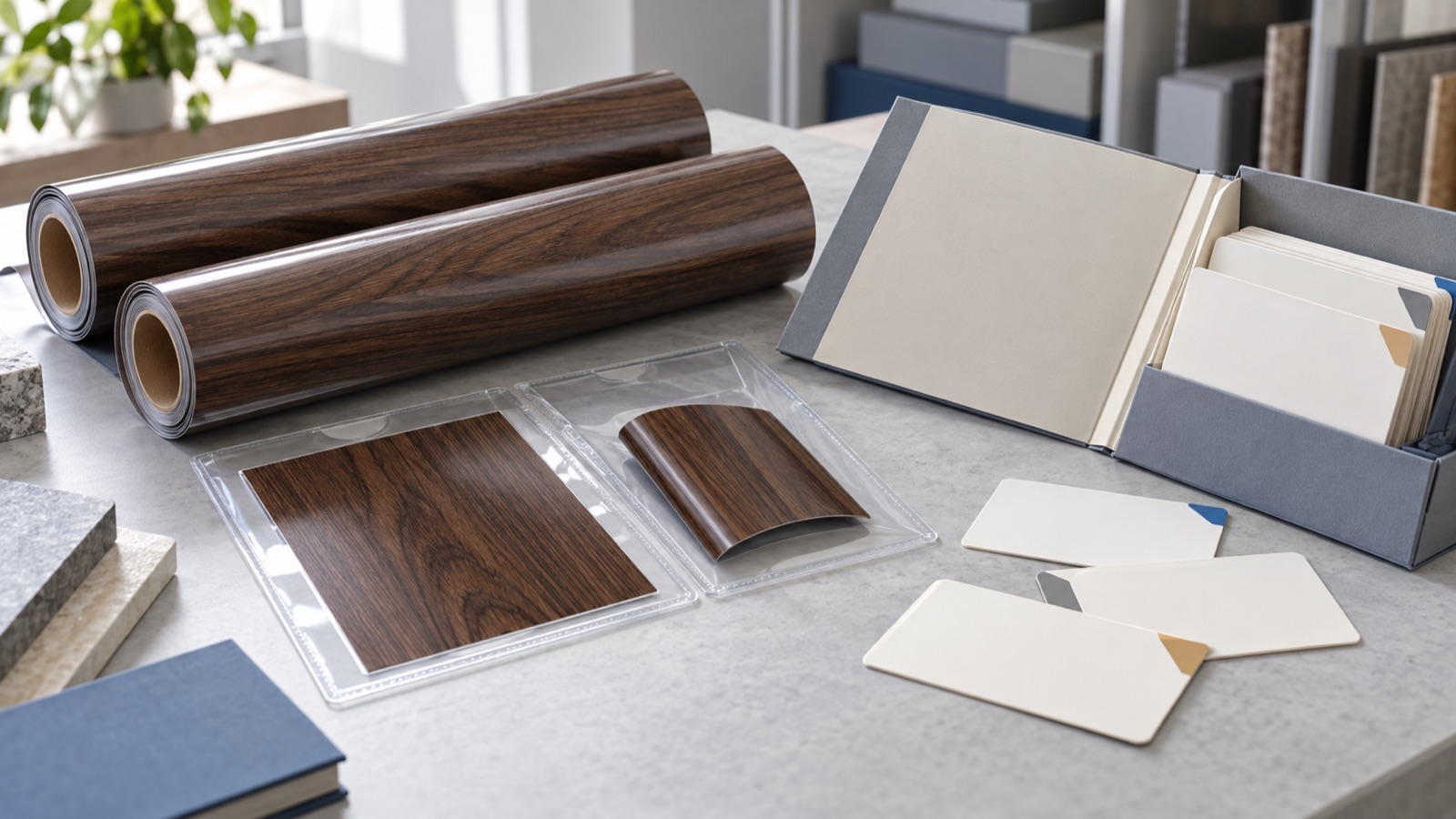
Illustration generated with AI for this buying guide; not a supplied-product or customer-project photograph.
“Please send the same film again” is easy to write and difficult to verify if the original order is identified only by a thumbnail. A reliable reorder starts with the supplier-confirmed pattern reference and the physical sample or specification previously agreed. Treat the website name as a useful search label, not the whole purchasing record.
CAIYIDE's film catalogue helps you find a design again. When you inquire, include the earlier order or quotation reference if available, the pattern reference confirmed by the supplier and the quantity required now. For a custom design, add the approved artwork revision rather than sending a folder containing several similarly named files.
Keep a small reference pack from the first approved order
- The supplier-confirmed pattern or film reference.
- The order or quotation reference and date.
- The agreed roll width, selling unit and other confirmed supply details.
- The approved artwork file and revision for a custom pattern.
- A retained film sample and, where relevant, the approved decorated part.
- Notes about the substrate, base color and finish used for that part.
- Any agreed inspection criteria and the person who approved them.
Store and identify the physical samples appropriately. Photographs help people locate a reference, but differences in lighting and screens make them a limited substitute for the actual agreed sample. If the reference has aged, been damaged or is missing, say so; do not quietly use it as an unquestioned master.
Separate a repeat purchase from a revised project
Ask what has changed since the last order. A new substrate, a reshaped part, a different base color, a revised topcoat or a changed processing arrangement can create a new approval question even if the film pattern name is unchanged. Record those changes explicitly and discuss whether fresh sampling is needed.
For custom artwork, distinguish a commercial reorder from an artwork revision. If the repeat size, colors or graphics were changed, identify a new revision and keep the earlier approval separate. Confirm the status of any required plate-making or development work with the supplier instead of assuming it transfers unchanged to the next order.
Check the received material against the order record
Compare the delivery information with the confirmed order before the material is mixed into other stock. Check the supplied reference, quantity, unit and visible packaging condition. Preserve the supplier's available identification with the roll; do not invent a batch identifier that the supplier cannot trace.
If the appearance needs review, keep the questionable material separate and send clear photos plus the relevant order and sample references. Describe what differs rather than using only “wrong color.” Agree the next action before using material whose identity or suitability is uncertain.
Send a reorder brief with an explicit change statement
A useful message says which earlier order it follows, which confirmed film reference is requested, the new quantity and destination, and either “the application and approved specification are unchanged” or a clear list of changes. It also states whether the original physical reference is still available.
Film availability, width, commercial terms and delivery arrangements should be reconfirmed for the new purchase. Keeping a good record improves the discussion; it does not create a guarantee of identical appearance without an agreed acceptance process.
Send your reorder reference to CAIYIDE for review. For an altered design, use the pattern development service; for an application change, describe it through application support. The existing ordering and storage guide covers the separate question of handling film after it arrives.